 |
| Gabriel de Clieu |
Showing posts with label Drink. Show all posts
Showing posts with label Drink. Show all posts
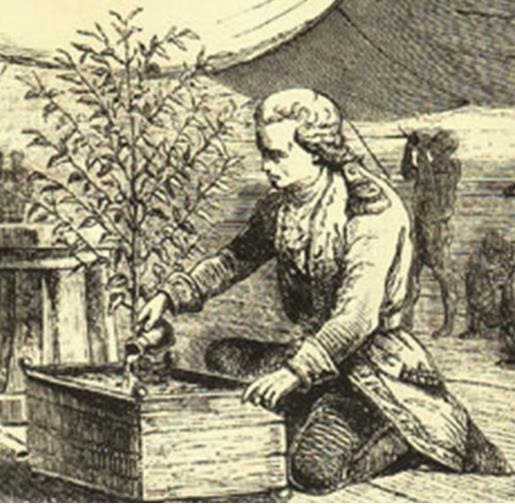
The Adventure of Gabriel de Clieu
Tea: Arriving to Japan
 |
| Emperor Saga |
Beer and Ancient Egypt

Sumerian Women and Beer

About 5000 BCE, civilization began to spring up in the Fertile Crescent. The two rivers of Euphrates and Tigris gave birth to a civilization that would last for thousands of years. The civilization of Sumer brought new developments to mankind. It developed so much that the modern had taken for granted. From writing to the wheel, the Sumerians made many progress for mankind. Including to its line of developments was the beer. Sumerians had during their time gave importance and reverence to their favorite beverage.
Conrad Van Houten: Start of a Chocolate revolution
 |
| Conrad van Houten |
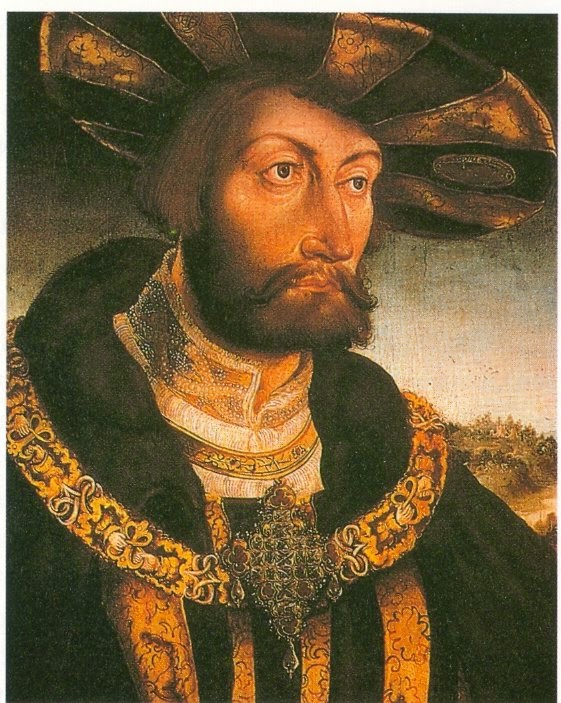
Purity Law: Protecting Beer in Bavaria
 |
| William (Wilhelm) IV, Duke of Bavaria |
Before
the advent of water treatment and water safety laws, water quality was very
poor. It was only use for washing, bathing, but never for human drinking. It
was a custom of the people to drink processed beverages, like wine, ale, and
also for beer. Popularity of beer led into problems in productions. In order to
protect the consumers of beer, two dukes enacted the Purity.
Ottoman Coffee: Love and Hate
 |
| Coffee Houses in the Ottoman Empire |
The Arabs contributed tremendously to the spread of knowledge about coffee.
From the Ethiopian province of Kaffa to the cultivation of coffee in Yemen, then through the whole of the Islamic world.
In the 14th century, its reach expanded further and found its way to the
courts of Europe. However, the spread of coffee came not without bitterness, the
controversy of coffee having the same effects as alcohol was still not over.
Arabs Love Affair of Coffee
 |
| Arab Coffee Merchants (Credit: BBC) |
Tea in Han Dynasty
 |
| Emperor Gaozu of Han Dynasty |
China
is today’s largest producer of tea. Tea is one of most drank beverages and
leveled equally with coffee. In China, a legend about the origins of tea is
traced to one of its legendary Emperor Shennong. Tea, according to the legend,
was a result of a coincidental falling of a dried camellia leaf to the boiling
water of the Emperor. However, tea would only be exclusively to the Emperor
until the age of the Han Dynasty which rule China from 206 BCE to 220 BCE.
Divine Tea: Discovery of Tea by Shennong
 |
| Emperor Shennong |
Tea is one of
the oldest beverages that man invented. From England to Turkey, and to India,
millions drink this scented water infused with different health benefits. In
China, the biggest producer of tea, it is not just old but a gift from one of
its legendary emperors, Shennong.
Aztecs Love for Chocolate
 |
| Aztec Woman mixing Chocolate |
Chocolate
is hunted by many sweet lovers. Beneath the dark color of this sweet, it gives
color to many children, lovers, and anyone from all walks of life. Chocolate
came from a bean known as a cacao. Today, the largest producer of cocoa bean is
the country of Cote D’Ivoire in Western Africa. Although the largest producer
came from the African continent, its roots of chocolate that popularized cacao
are not in the continent. The beginnings of chocolate is across the Atlantic
Ocean, to America.
Dancing Goats and Origin of Coffee
 |
| Illustration of Kaldi and his goats |
The coffee industry generated billions of dollars of profit. A caffeinated drink that powered billions of men and women driving the economy forward. The Baltics states and the Netherlands consumed the most coffee with their citizens drinking about 4 cups of coffee every day. According
to the International Coffee Organization, the worldwide production of coffee in
2013 amounted to over 169 million bags. The whole world's love for coffee began with some goats and an Ethiopian goat herder.
Louis XIV and Coffee
 |
| Louis XIV |
Coffee ranked as one of the world's most drank beverages. Many countries like Brazil, Indonesia, and Ethiopia profited from meeting the world's need for a caffeine fix. France topped as one of the largest importers of coffee in Europe. Its love of coffee went back to the 17th century when only a few drank coffee, a far cry from its current status as a major consumer item. The powerful Ottoman Empire monopolized the coffee trade and only a limited amount arrived in Europe. It only entered the limelight of Europe when the Sun King of France, Louis XIV, encountered coffee.
Afternoon Tea: Beginings in Victorian Era
 |
| Anna Maria, Duchess of Bedford |
Afternoon tea did not
begin until the 1800’s. It was created to combat a sinking feeling of a duchess
during the afternoons due to the time between meals. It then became a favorite
past time for the nobles and then for the whole country.
Royal Trend Setting: Catherine Braganza and Tea in England
 |
| Catherine of Braganza |
Social media today produces countless trends, from music, to video, to challenges,
and finally to food. Culinary trends such as dalgona coffee and baked sushi owed
much of their buzz from Twitter, Instagram, and Facebook. Trends crosses
boundaries faster than ever before – a hit in the Americas reaches Asia in a
matter of days and even hours. But before the Information Age, trends travel
slower with limited audiences. The role of influencers fell to
royalties, such as the case of popularization of tea in England by Catherine of
Braganza.
Subscribe to:
Posts (Atom)
Popular Posts This Week
-
.JPG) BASF Factory (1881) She emerged as the most industrialized country by the end of the 19th century. Germany surpassed the home of the i...
BASF Factory (1881) She emerged as the most industrialized country by the end of the 19th century. Germany surpassed the home of the i... -
 John Cockerill The industrial revolution changed the world. It caused a shift from people relying on farming in the countryside to wor...
 -
.jpg) Great Britain and France – a rivalry that ran for more than a half a millennium, but in the quest for industrial revolution, unfortunatel...
Great Britain and France – a rivalry that ran for more than a half a millennium, but in the quest for industrial revolution, unfortunatel... -
 King Chulalongkorn (Rama V) ushered in a transformative era where Thailand, then known as Siam, emerged as a unified nation-state. But like ...
 -
 Emperor Meiji Japan’s independence came under threat from the increasing presence of westerners in Asia. In 1858, the ships of Ameri...