Henry Heinz: Man Behind the Famous Ketchup

Henry Heinz
Condiments help us to enjoy our food more. It allows us to personalize our food, suiting our snacks to our personal taste.  Mayonnaise, mustard, and Ketchup, give color and presentation. Ketchup is the most popular. One company made a name for this product, Heinz. But who was behind this very established company?

Olmecs: Before the Aztecs and Mayans

Olmec Civilization
The Mesoamerican region was home to numerous civilizations. The famous Aztecs and the Mayans filled history books of flourishing cities and gruesome human sacrifices. But before the huge Aztecs pyramids and the amazing stone structures of the Mayans, an older civilization flourished mysteriously in the area. Well known for their giant head statues, the Olmecs showed the characters that later Mesoamerican civilizations also showed.

Roads in History: Persian Empire


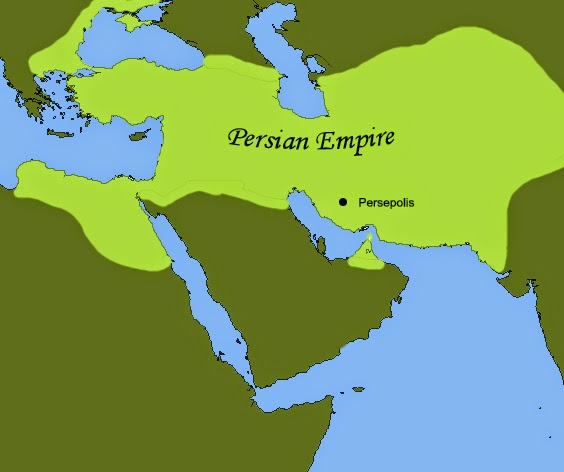
The Persian Empire was one of the largest empire that the ancient world saw. Its territories spanned through three continents. Under its rule were various groups of people and identity as well as different terrains and environment. To connect such a massive empire resulted to the creation of one of the best known road networks in history. Roads had been a way to connect lands, kingdoms, and empires. It brought great benefits to civilizations that created such networks. And one of the first well-known civilizations to use roads in a massive scale was the Persian Empire.

King Chulalongkorn (Part 2): Modernization and Opposition

King Chulalongkorn
Previously, Chulalongkorn ascended to the throne and continued the legacy of his father. At stake was his kingdom’s independence from the threats of western imperialism. However, modernization didn't came without threats. After the slow process of abolition of slavery, nobles and those within the royal family plotted against the king. Also, much were needed to be done for the people to experience the benefits of the modernization.

Hakkapeliitta: Thirty Years' War and the Rise of Sweden

Hakkapeliittas in a 1940 Finnish Stamp
The early 17th century became a period of war and religious divide. Central and Eastern Europe became the battlefield of two sides of Christianity. A bold and innovative Swedish King joined the fight and showed his Kingdom’s new military capability. With new tactics, he amazed the world. His soldiers also became fabled. Among his warriors were cavalrymen from the icy terrains of Finland. They were known as the Hakkapeliittas.

Stockholm Bloodbath

Stockholm Bloodbath and the desecration of Sten Sture's grave
The Kalmar Union began in the 14th century with the idea of one King for the three kingdoms of Sweden, Denmark, and Norway, but each retaining its own laws and Council of Realm. However, from a series of autocratic kings and failed campaigns against the powerful Hanseatic League, fracture began to appear within the Union. Most especially, Sweden became critical about its part within the Union. Sweden resented the idea that their King ruled them from a foreign and distant city of Copenhagen. They also hated the economic crisis brought by the anti-Hanseatic League stand of the Kalmar Union Kings. Ever since, Sweden always became a focal point of rebellion and a problem for the King of the Union.

The Economy of Mauryan Empire

Mauryan Empire
The Indian Sub-Continent hosted numerous kingdoms and empires. It lands became fertile thanks to the flow of numerous rivers and estuaries, including the well-known rivers of Indus and Ganges. One of the first and largest empire in Ancient India was the Mauryan Empire. The laws of its ruler Ashoka made Maurya well-known. But the strength of its rulers equaled the strength of its prosperous economy.

Popular Posts This Week